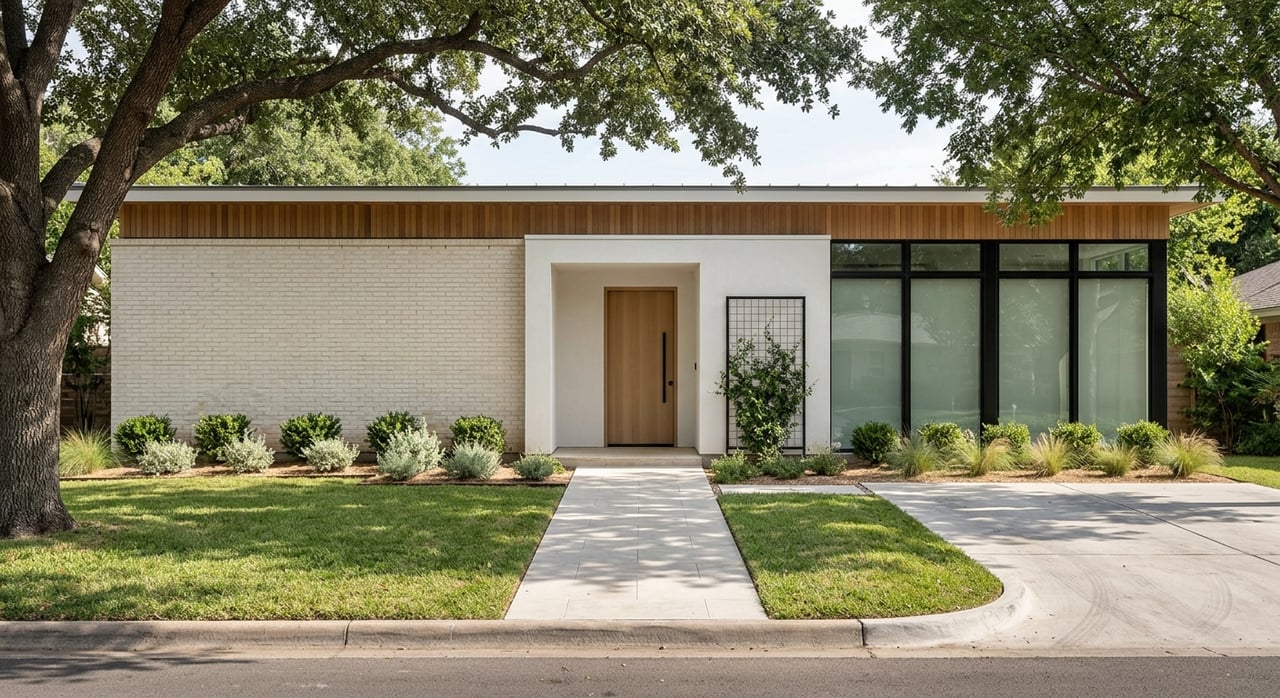
Wondering whether you should buy new construction or aim for an established neighborhood in Plano? It is a smart question, especially in a city where most residential growth already happened decades ago and brand-new options are more limited than many buyers expect. If you are weighing modern finishes against mature trees, or lower repair risk against a more settled neighborhood feel, this guide will help you compare both paths with Plano-specific context. Let’s dive in.
Why This Choice Matters in Plano
Plano is a mature market, not a city with endless room for new subdivisions. According to Plano’s housing and neighborhood planning documents, most residential development took place from the 1960s through the 2000s, and undeveloped land zoned for future residential use was under 1% of the city’s land area in 2021.
That matters because “new construction in Plano” usually means infill, redevelopment, or a master-planned project on a reworked site, not broad greenfield expansion. In practical terms, you are often choosing between a newer home in a redevelopment corridor and an older home in a more established part of the city.
Plano home prices also help frame the decision. Redfin’s Plano market data reports a February 2026 median sale price of $478,790, while Zillow’s average home value snapshot in the research clusters close to $499K. Meanwhile, Plano new homes on Redfin show 45 new homes for sale with a median listing price of $537K, which suggests a current premium for brand-new product.
Where New Construction Shows Up
In Plano, new construction tends to cluster around redevelopment sites and major corridors rather than spread across large new subdivisions. Current examples named in local reporting include Heritage Creekside, Collin Creek, Mustang Square, and Heritage Ridge Estates.
Community Impact’s reporting on Plano development highlights how this is playing out. Heritage Creekside sits near PGBT and US 75, while Collin Creek is rising on the former Collin Creek Mall site. Mustang Square is off Sam Rayburn Tollway near Hillcrest Road, and Heritage Ridge Estates is another current example in Plano 75094.
This pattern is important if location is high on your priority list. A new home in Plano may place you near mixed-use redevelopment, new infrastructure, or community amenities, but the surrounding area may still be evolving as construction phases continue.
What New Construction Often Offers
Newer homes usually appeal to buyers who want simplicity and a more current layout. In Plano, that often means open living spaces, newer finishes, and community features that are planned from day one.
For example, Collin Creek’s community details on Redfin highlight parks, trails, pedestrian-friendly sidewalks, and a signature water feature. Mustang Square lists multiple floor plans with 2- and 3-story detached homes, while Heritage Creekside townhome listings show recent year-built dates.
If you want less immediate maintenance, new construction can be attractive. You are generally paying for modern design, newer systems, and a home that may need fewer repairs right after move-in.
New Construction Trade-Offs
The biggest trade-offs are usually price, inventory, and timing. New-home inventory in Plano is limited compared with the broader resale market, and the city’s planning context suggests future growth will continue to be shaped by redevelopment and phasing.
You may also be buying into a neighborhood that is still taking shape. That can be a positive if you like fresh amenities and modern planning, but it may feel less settled than an older part of Plano with mature landscaping and long-established streetscapes.
Where Established Neighborhoods Shine
Established neighborhoods are where Plano shows much of its personality. The city points to places like Downtown and Haggard Park as historic districts, and it identifies the Douglass Community, Haggard Addition, and Old Towne as neighborhoods with historic integrity.
Other mature neighborhood examples noted in the research include Deerfield, Whiffletree, and Willow Bend. Plano’s historic sites and districts page is a helpful reference for understanding some of the city’s long-standing neighborhood areas.
If you are drawn to tree-lined streets, established street patterns, or homes with architectural variety, this side of Plano may feel more compelling. Many buyers also appreciate that established neighborhoods offer an immediate sense of place because the landscaping, layout, and surrounding homes are already in place.
What Established Neighborhoods Often Offer
The biggest draw is usually character. Older neighborhoods often have mature trees, varied home styles, and a more finished feel that can be hard to replicate in a newly built area.
According to Plano’s comprehensive planning guidance, older neighborhoods can also provide some of the best opportunities for moderately priced homes, and the city places value on preserving and enhancing established neighborhoods. That does not mean every older home is a bargain, but it does show why these areas remain a meaningful part of Plano’s housing mix.
Established homes can also give you faster clarity on the surroundings. You can see the lot size, street parking pattern, traffic flow, tree coverage, and the overall neighborhood feel as it exists today, not just as a future plan.
Established Neighborhood Trade-Offs
The biggest trade-off is variation. In an established Plano neighborhood, one home may be fully remodeled while the next may be in original condition. Another may have luxury updates that push pricing well above newer homes in other parts of the city.
That means inspections, repair planning, and renovation budgeting become especially important. Established does not always mean lower cost, and newer does not always mean better value. In Plano, the better fit often comes down to condition, location, lot, and how closely the home matches your day-to-day needs.
Side-By-Side: New vs Established in Plano
Here is a simple framework to help you compare your options.
| Factor | New Construction | Established Neighborhoods |
|---|---|---|
| Cost | Often priced above the citywide resale median | Can range from more affordable to high-end depending on updates, lot, and location |
| Layout | More likely to offer modern floor plans | May require renovation for major layout changes |
| Finishes | New materials and current design trends | Can vary from original condition to fully updated |
| Amenities | Often planned with trails, parks, sidewalks, and mixed-use features | More likely to offer mature trees, existing parks, and a settled feel |
| Maintenance | Typically lower immediate repair risk | More likely to require repairs or future updates |
| Neighborhood Feel | Often still evolving | Usually more established from day one |
This is where Plano becomes especially nuanced. Because the city is largely built out and focused on reinvestment, long-term value is likely influenced more by location, lot quality, upkeep, and neighborhood fit than by age alone.
Which Option Fits Your Goals?
If you want a modern layout, newer systems, and less immediate repair risk, new construction may be the better fit. This path often works well if you prefer a cleaner decision-making process and are comfortable paying a premium for newer product in a limited-supply market.
If you care more about mature trees, larger lots, established character, and a neighborhood that already feels complete, an older area may make more sense. This route can offer strong lifestyle appeal, but it also calls for closer attention to home condition and future maintenance.
For many Plano buyers, the right answer is not simply “new” or “old.” It is finding the best balance of location, budget, condition, and how you want your home to function over the next several years.
A Smart Plano Buying Strategy
If you are actively comparing both options, focus on a few practical questions:
- Do you want move-in simplicity or are you open to updates over time?
- Is your budget better aligned with a new-home premium or with a resale home that may need work?
- Do you prefer a neighborhood that is already established or one that is still developing?
- How important are features like trails, sidewalks, parks, or mixed-use access?
- Would you rather pay more upfront for newer finishes, or create value through renovation in an older home?
In Plano, these questions matter more than broad assumptions. A well-located established home may outperform a brand-new one for your lifestyle, and a thoughtfully chosen new build may save you time and maintenance in ways that justify the price.
Whether you are relocating, moving up, or narrowing down where to focus your search, the best next step is to compare specific Plano neighborhoods and communities side by side. The Katie Chu Group can help you weigh pricing, neighborhood fit, and timing so you can move forward with confidence.
FAQs
Is new construction common in Plano?
- New construction in Plano is more limited than in many outer-ring suburbs because most of the city is already built out, so newer homes are often found in redevelopment or infill projects rather than large new subdivisions.
Are new homes in Plano more expensive than resale homes?
- Current research suggests they often are, with Redfin showing Plano new homes at a median listing price of $537K versus a citywide median sale price of $478,790.
What are examples of new construction areas in Plano?
- Current examples mentioned in the research include Heritage Creekside, Collin Creek, Mustang Square, and Heritage Ridge Estates.
What are examples of established neighborhoods in Plano?
- Established Plano areas noted in the research include Deerfield, Whiffletree, Willow Bend, Old Towne, Downtown, Haggard Park, Haggard Addition, and the Douglass Community.
What is the biggest advantage of established neighborhoods in Plano?
- Many buyers choose established neighborhoods for mature landscaping, varied home styles, existing neighborhood character, and a more settled feel.
What is the biggest advantage of new construction in Plano?
- New construction often appeals to buyers who want modern layouts, newer finishes, community amenities, and lower immediate maintenance needs.