Moving from a coastal market to Plano can feel simple on paper and surprisingly nuanced in real life. You may be comparing home styles, commute patterns, and daily routines that work very differently than what you are used to. This guide will help you understand how Plano housing and transportation actually function so you can make a smarter move with fewer surprises. Let’s dive in.
Plano Housing at a Glance
Plano is a large suburban city with about 293,028 residents spread across 71.69 square miles. That scale matters because your home search will likely be shaped by access, roadways, and activity centers rather than one central downtown. In Plano, where you live often connects directly to how you commute and run errands.
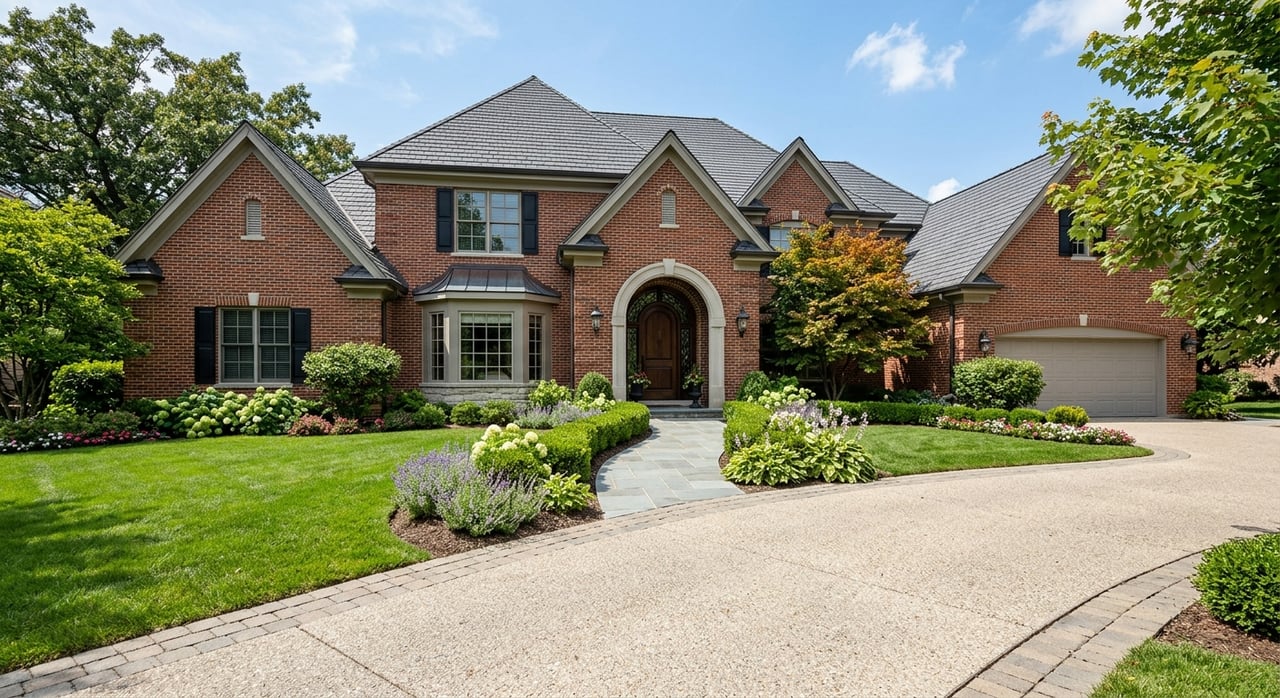
The city has 118,783 housing units, and the housing mix still leans heavily toward detached homes. According to Plano’s planning report, about 59% of the housing stock is single-family detached, while 37% is multifamily and roughly 5% combined is attached single-family or duplex product. If you are coming from a denser coastal city, that means Plano may feel more garage-and-driveway oriented than walk-up or high-rise oriented.
QuickFacts also shows a 56.9% owner-occupied rate, a median owner-occupied value of $465,900, and a median gross rent of $1,841. Those numbers help set expectations whether you are planning to buy right away or rent first while you learn the area. For many relocations, that first decision is less about city versus suburb and more about which Plano lifestyle fits your timeline.
What Coastal Buyers Notice First
If you are relocating from a coastal market, one of the first differences you may notice is the neighborhood form. Plano planning documents describe a pattern of roughly one-mile blocks bounded by major roads, with parks or schools often near the center and commercial uses at major intersections. That creates a more structured suburban rhythm than you may be used to in older, denser coastal areas.
Detached homes are generally one to two stories with individual garages and lower-density layouts. Attached homes are usually two to three stories, while higher-rise apartments are more often found in mixed-use districts. In practical terms, your options may range from traditional single-family neighborhoods to newer lock-and-leave housing near shopping, offices, and transit.
For many incoming professionals, that tradeoff is the real decision. Do you want a more classic suburban home base, or do you want a lower-maintenance property closer to mixed-use conveniences and key commute corridors? Plano offers both, but they are not evenly distributed across the city.
Why Mixed-Use Housing Matters
Plano has relatively few large residential tracts left for major new neighborhood expansion. The city says that most newer housing is now being built in mixed-use settings within walking distance of shopping and services. Future growth is expected to come mostly from infill, redevelopment, and transit-oriented projects.
That trend matters if you want newer construction or a more connected daily routine. You may find more townhomes, condos, and apartments in redevelopment areas and mixed-use districts than in legacy detached-home neighborhoods. At the same time, Plano expects single-family housing to remain the dominant long-term housing type.
For a relocation move, this usually means you should not assume the newest homes are always in large master-planned settings. In Plano, newer options are often tied to redevelopment corridors, shopping centers, and employment nodes. That can be a real advantage if convenience and commute efficiency matter more to you than lot size alone.
Plano Commutes Are Corridor-Based
One of the biggest mindset shifts for coastal transplants is understanding that Plano commuting is corridor-first. The city is crossed by four major highways: Sam Rayburn Tollway, President George Bush Turnpike, Dallas North Tollway, and US 75. Plano’s mean commute time is 25.4 minutes, but the more important point is that most trips are car-oriented.
Instead of asking, “How far am I from downtown?” it is often more useful to ask, “Which road or transit corridor will I use most often?” That is because Plano functions more like a multi-node city than a traditional suburb tied to a single urban core. Home choice often comes down to which route best supports your work, airport access, and daily stops.
If your office, clients, or regular meetings are spread across North Dallas, Legacy-area business parks, or central Dallas, the best home location may not be the one that looks closest on a map. It may be the one that gives you the cleanest corridor access at the times you actually travel.
Key Roads to Know in Plano
For most movers, these are the road names that quickly become part of daily life:
- US 75 for north-south access and connectivity toward Dallas
- Dallas North Tollway for major access through the western side of the area
- President George Bush Turnpike for east-west movement and regional connections
- Sam Rayburn Tollway for broader northern mobility across the metro
These roads do more than move traffic. They shape where offices cluster, where mixed-use projects grow, and how residents think about convenience. In Plano, a home with strong corridor access can have real quality-of-life value, especially for a time-sensitive relocation.
DART Adds Another Mobility Layer
While Plano is largely car-oriented, DART gives the city a second transportation option at important nodes. DART reports that rail runs every 7.5 to 15 minutes during rush hour, every 20 minutes midday and on weekends, and every 30 minutes late at night. That kind of frequency can be useful if you want another way to reach Dallas or prefer flexibility on certain workdays.
Downtown Plano Station at 15th Street and Avenue J serves Historic Downtown Plano, City Hall, Haggard Park, and the ArtCentre of Plano. Parker Road Station is about a mile north of downtown and serves as the northern terminus of the Red and Orange lines. DART also identifies Park Boulevard for transit-oriented development around the Parker Road station area.
For some buyers and renters, these station areas provide a helpful middle ground. You can still live in a suburban city while keeping rail access in your toolkit for work, events, or airport connections. That can be especially appealing if you are used to having transit options, even if you do not use them every day.
Job Centers Shape Housing Demand
Plano is not just a place people sleep before commuting elsewhere. The city describes itself as a hub for corporate headquarters with more than 260,000 jobs and three Fortune 1000 headquarters. Core industry clusters include financial services, electronics, telecommunications, software and IT, life sciences, and medical and health.
The city also points to employers and business areas such as Intuit, Bank of America, Ericsson, Texas Instruments, Rockwell Collins, EDS, Perot Systems, Legacy, Legacy Central, Granite Park, Expressway Corridors, and Research | Technology Crossroads. For relocating professionals, this helps explain why Plano feels more like a business center with housing attached than a classic bedroom suburb.
That job geography also influences where new housing is being added. The city highlights projects such as Legacy West, Granite Park, and Collin Creek, where office, retail, hotel, and housing uses are being developed together. If your work is tied to one of these nodes, your best housing choice may be the one that keeps you close to that activity center rather than broadly “in Plano.”
Airport Access Is Practical, Not Equal
If you travel often, airport access deserves more attention than many buyers give it at first. DFW Airport says drivers typically enter from State Highway 183 on the south or State Highway 114 or Interstate 635 on the north. Love Field says drivers typically arrive via I-35E, US 75, or the Dallas North Tollway to Mockingbird Lane.
That means airport convenience from Plano is real, but route-specific. Depending on where you live in Plano and which airport you use more often, one location may save you meaningful time and stress over the course of a year. For frequent flyers, this should be part of the home search from day one.
Love Field also notes a DART LoveLink Bus 524 connection to nearby Inwood/Love Field Station, and DART’s rail system includes the Northwest Corridor to DFW Airport. If you value transportation backup options, that adds another layer to consider when comparing station-adjacent housing.
Everyday Life in Plano
Daily life in Plano tends to revolve around corridors and activity centers rather than one compact urban core. The city reported $10.95 billion in retail sales in 2022, which reflects the scale of local shopping and service access. Plano’s economic development office also describes a healthcare network with major hospital systems, specialty providers, and coordinated care delivery.
For you, that usually means errands are convenient, but they are often spread across retail corridors, medical centers, and mixed-use nodes. If you are used to walking a few blocks for most daily tasks, Plano may feel more planned and more driving-based. If you value easy parking, broad service access, and multiple shopping clusters, that same pattern may feel efficient.
How to Narrow Your Home Search
If you are moving to Plano from a coastal market, start with function before style. A beautiful home can still feel frustrating if the location does not fit your weekly routine. It helps to narrow your search using a few practical questions.
Start with your primary corridor
Think about the route you will use most often for work or recurring appointments. In Plano, that may matter more than being near a single landmark or district. A home with the right corridor access can simplify your day in a way that does not always show up in listing photos.
Match housing type to lifestyle
If you want space, a yard, and a more traditional suburban layout, detached housing will likely dominate your search. If you want lower maintenance and easier access to shops, offices, and transit, mixed-use districts may offer a better fit. Plano has both, but the experience is very different.
Plan for daily convenience
Map out where you expect to shop, get care, dine, and travel to the airport. Because Plano is organized around corridors and nodes, these practical patterns matter. The right location should support your actual week, not just your ideal one.
Consider a phased move
Some relocation buyers choose to rent first while they test commute patterns and daily routines. With median gross rent at $1,841, renting can be a useful short-term strategy for learning which part of Plano feels most efficient. For buyers who want to move quickly, a focused location strategy becomes even more important.
The Bottom Line for Coastal Transplants
Plano offers a suburban housing market with meaningful scale, strong job access, and a growing set of mixed-use living options. You can still find the detached homes, garages, and low-rise neighborhood blocks many buyers want, but you can also find newer housing tied to transit, offices, and retail centers.
The key is to think of Plano as a corridor-based city. Your best move will usually come from aligning housing type, commute route, and everyday convenience rather than chasing a single “best” area. When you approach the search that way, Plano becomes easier to understand and much easier to navigate with confidence.
If you are planning a move to Plano and want a sharper strategy around commute patterns, housing type, and timing, Katie Chu can help you build a relocation plan that fits the way you actually live and work.
FAQs
What kind of housing is most common in Plano for relocating buyers?
- Plano housing is led by single-family detached homes at about 59% of the housing stock, with multifamily at 37% and attached single-family or duplex product at about 5% combined.
How do commutes usually work in Plano for new residents?
- Commutes in Plano are usually corridor-based and car-oriented, with major routes including US 75, Dallas North Tollway, President George Bush Turnpike, and Sam Rayburn Tollway.
Are there transit options in Plano for professionals relocating from coastal cities?
- Yes. DART serves Plano through stations including Downtown Plano Station and Parker Road Station, with rail running as often as every 7.5 to 15 minutes during rush hour.
Is Plano more like a bedroom suburb or a job center?
- Plano functions as a major employment center with more than 260,000 jobs and multiple business clusters, which is one reason home choice often depends on office location and commute corridor.
What should frequent travelers know about airport access from Plano?
- Airport access is generally strong, but the best location depends on which airport you use most and which roadway corridors connect most directly from your part of Plano.
Where is newer housing growth happening in Plano today?
- According to city planning documents, much of Plano’s newer housing growth is happening through infill, redevelopment, and mixed-use or transit-oriented projects rather than large new suburban expansions.